STORY
Who's behind this
From fighter pilot in the Spanish Air Force to building with AI, from Gran Canaria.

Ferrol
I was born in Ferrol, in the north-west of Spain. As a boy, when someone offered to bring me a present from a trip, I asked for photos taken from the plane. Flying felt like magic. Over the years people told me to set more realistic goals: that career was for a chosen few.
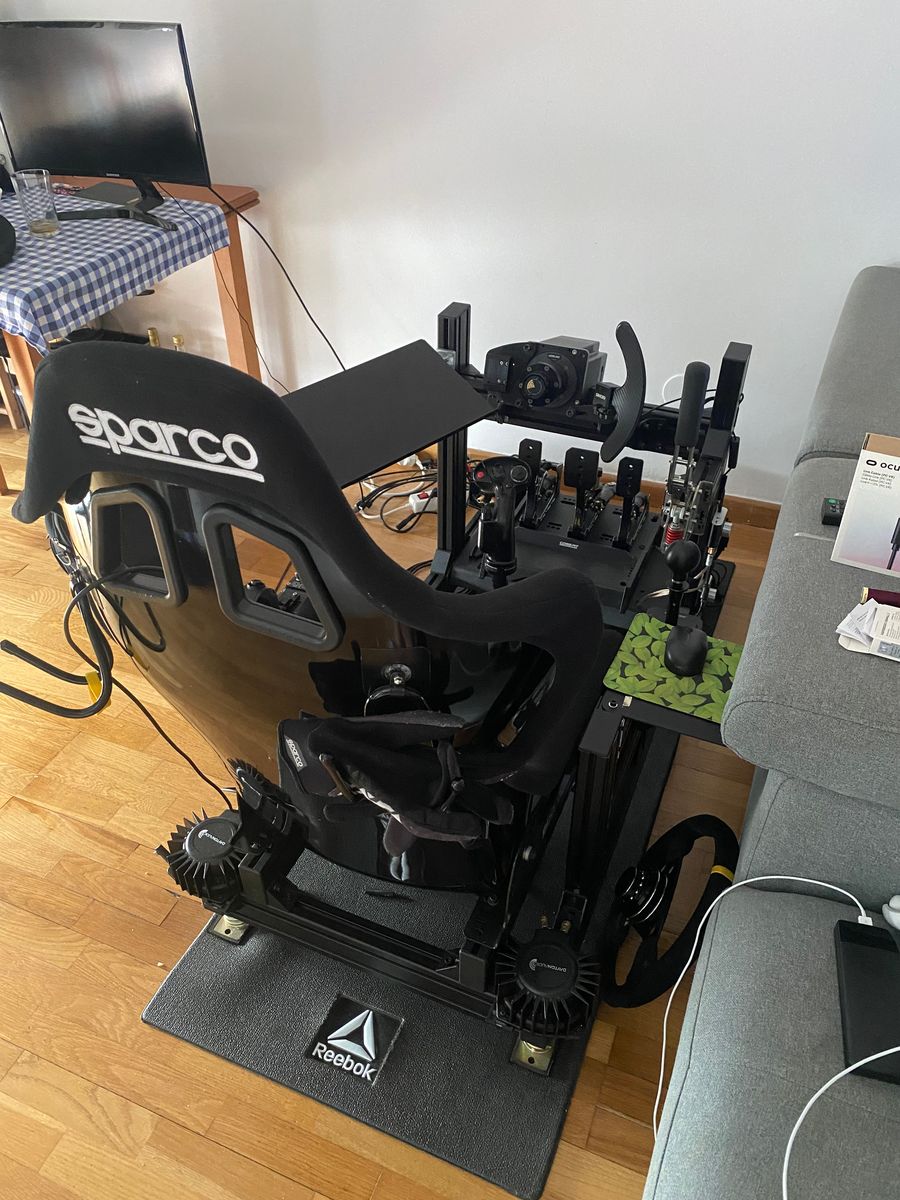
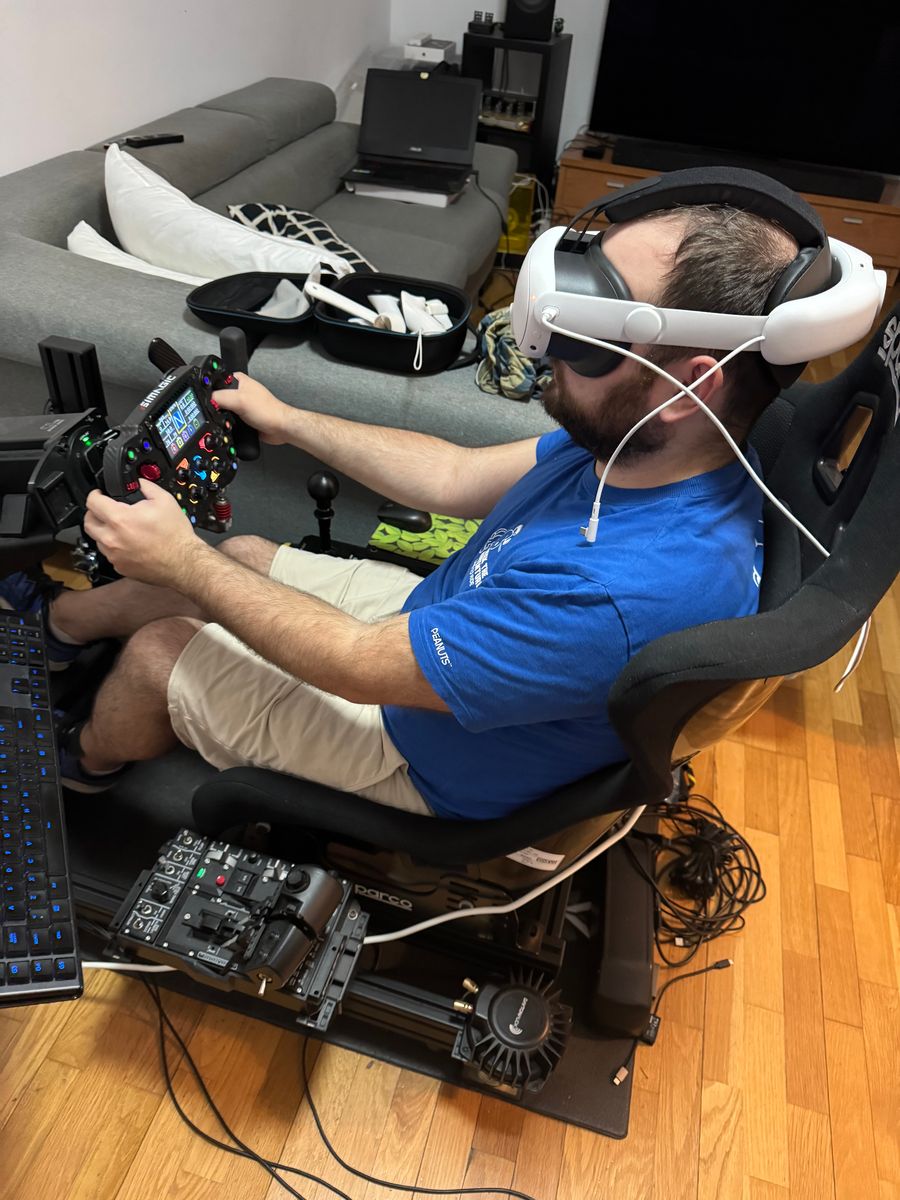
At 14 I flew airliners on IVAO, a simulation network with live air traffic control, and studied the training courses that real pilots among my friends mailed to me on CD. What I really wanted, I learned outside class.
Around then I watched The Matrix. One scene stayed with me: Trinity on a skyscraper roof, with a helicopter as the only way out, asks Tank to load a pilot program. Hours of flying, learned in seconds. I thought that one day interfaces would disappear and our minds would connect directly to technology.

I started Computer Engineering. But one day I realised that if I did not sit the officer entrance exam that year, I would never know whether I could have become a military pilot.
I prepared like never before. When I set my mind on something I am stubborn: I believe the will to win decides in the end. The effort paid off: I got in fifth, out of more than a thousand candidates.
Fighters
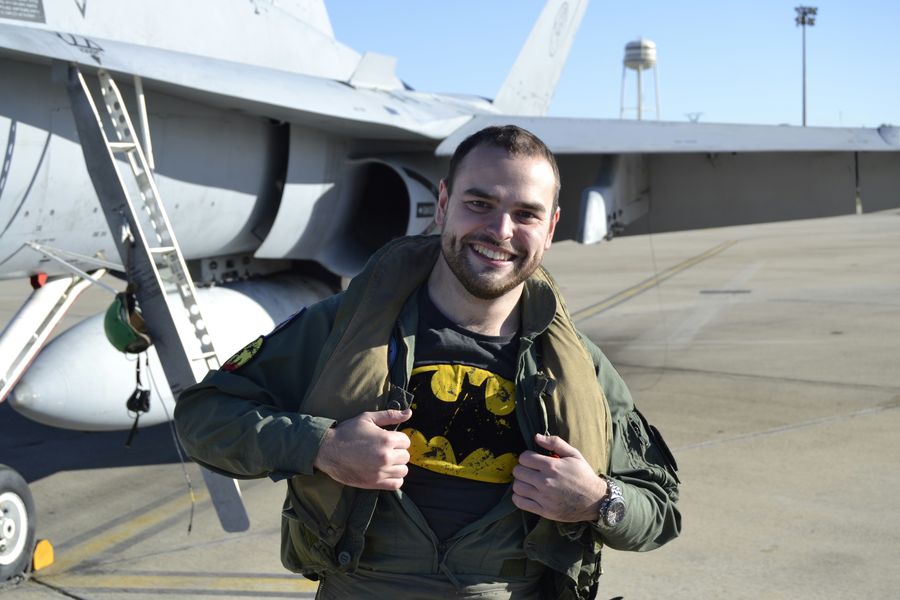
I joined the Spanish Air Force as an officer. Three years later flight training began, and I knew I had been born for it. After the Air Force Academy I was among the few selected for fighters. I did not believe it until I broke the sound barrier in one.
My first posting was Gran Canaria, to 46th Wing's 462 Squadron, the Halcones (Falcons). In more than ten years as an F-18 pilot I flew real missions and exercises with air forces from many countries.

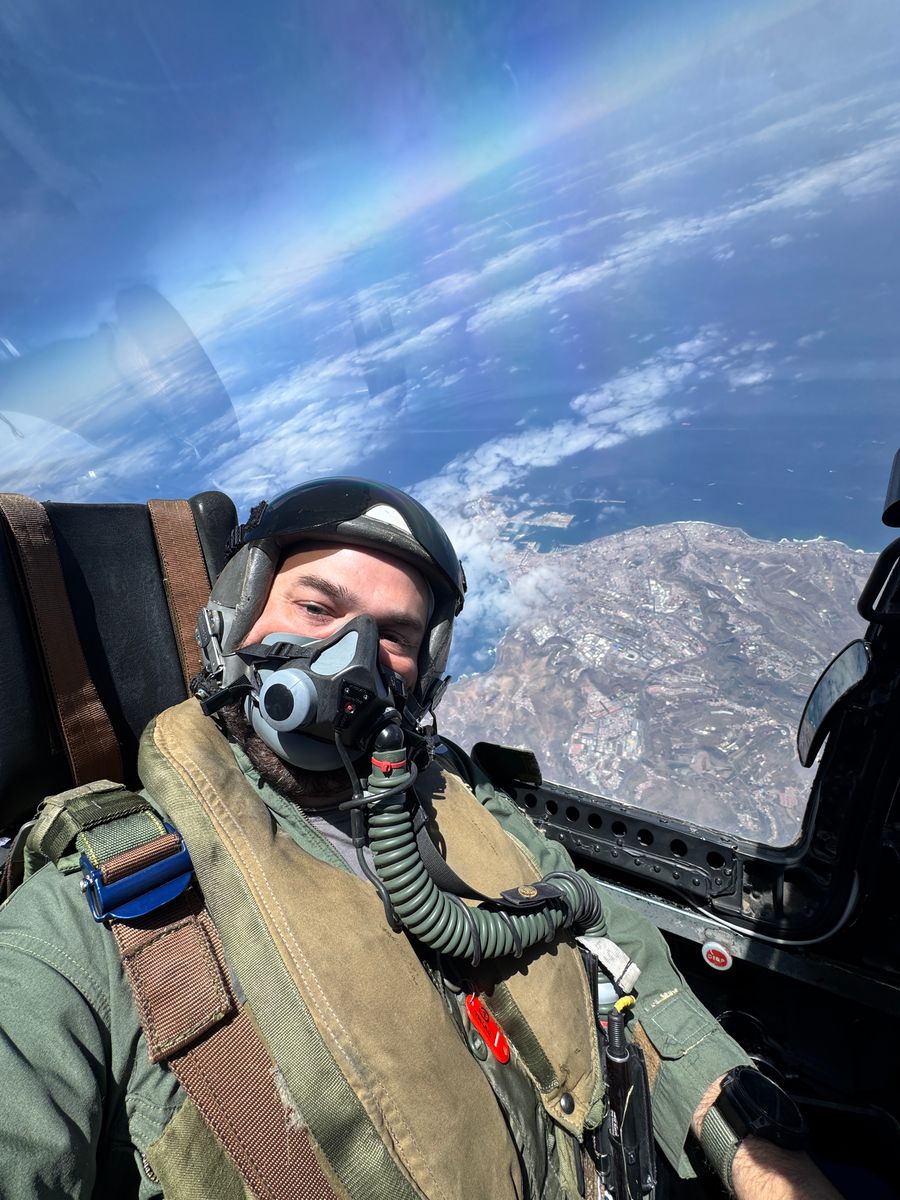
In 2019 I completed the Tactical Leadership Programme, Europe's most demanding tactical course. There, how you fly counts less than how you lead a team of several nations and very different roles. At the end, my peers voted me the course Warrior: the most outstanding, chosen by everyone. I lead up close, as a team, with common sense. First I structure the information at hand, then I enrich it with what each person brings, and only then do I decide.
Years later I proposed Reporta, a tool to file operational safety reports from any device. A reporting culture only exists if reporting is easy. It was the first time I saw, in my own work, that the best solution is the one people actually use.

Building
During covid I took up algorithmic trading: bots, backtests and everything needed to run them in production. I stopped when I realised that what excited me more was building things that change something for someone.
I launched Bullify with a partner and learned that a good idea is not enough: it has to fit the regulatory framework and pay for itself. I joined NewToDrive, which set out to open up training for the truck licence. And my friendship with Miguel Ángel Romero, of Minery Report, gave me the chance to build software for real companies. Since then I have worked as a forward-deployed engineer: inside the client's company, next to its team, for months. For a dealer group I built the portal where their customers hand in documents, the service that reads them, and the redesign of their purchasing process, decided with the people who buy every day.
I have worked with much of today's AI tooling. But that work taught me that AI has to serve a purpose. The need flows from people to technology, never the other way round.
The need flows from people to technology, never the other way round.
So I start every project sitting with the people who suffer the process, not only with the person who buys it. I measure what it costs and design the simplest solution that retires it, not the most complete one. Everything I deliver has to pass three tests. Interaction: you describe what you need and the system does it; nobody fills in a form a machine can fill in on its own. Speed: answers in seconds and systems in production in weeks, because what takes months arrives when it is no longer useful. Experience: a new person uses it on day one without a manual. With those three rules I have built systems of several agents that coordinate with each other, interfaces generated on the fly from what you ask, and document reading across several engines at once. At the law firm CYSAE, Ponente cut contract review from weeks to days. In a dealer group, purchase files close on their own and the operator only sees what does not match.

That Matrix scene is now my vision: a world with no friction between what someone needs and what happens in the real world, where stating the intention is enough. You say “show me the revenue forecast for the next three months” and it appears on screen in seconds. That used to take time and specialists.

If you don't believe it, I'll show you in a demo.
Book 30 minutesNo cost. The next day you get in writing what to retire first and what it costs you today.
Or write to me →Out of the cockpit